
In 2026, having an optimised sales pipeline will be the true growth engine for SMEs and ambitious businesses. Strategic pipeline management not only increases close rates but also enables accurate revenue forecasting and acceleration.
This guide offers an up-to-date, practical overview: you will discover what a sales pipeline really means, its core stages, real-world examples, innovative tools, and data-driven strategies. We will also examine the most common mistakes to avoid.
If you want to transform your commercial operations and achieve tangible results, follow the advice in this guide — the future of sales starts here.
What Is a Sales Pipeline and Why It Matters in 2026
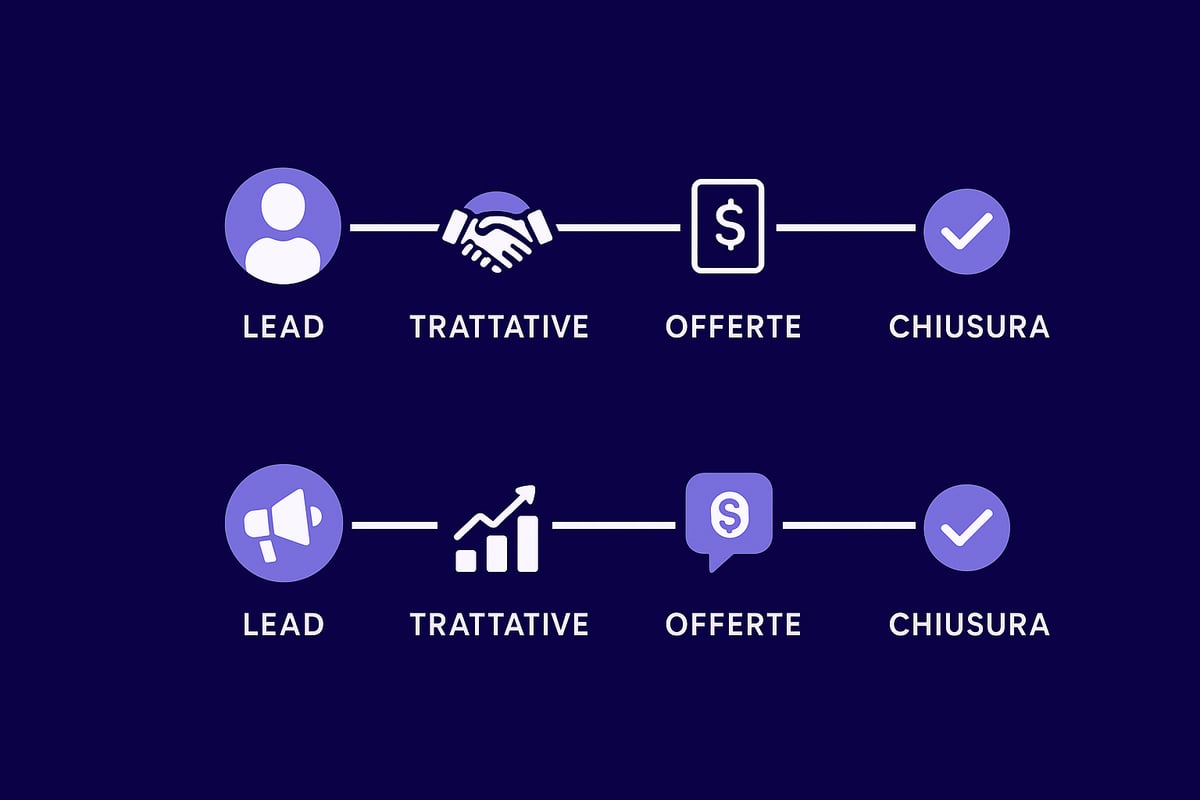
The sales pipeline is the backbone of every modern commercial process. Think of it as a visual map showing all sales opportunities and the progress of every deal. Each stage corresponds to a key step: from lead generation through to closing, everything is tracked with precision. There is often confusion between a sales pipeline and a marketing pipeline: the former follows commercial deals, while the latter focuses on lead generation and nurturing. A well-structured sales pipeline enables better deal management and accurate forecasting of future revenue. According to Salesforce, companies with solid pipelines achieve conversion rates 28% higher than those without. Want to explore the ideal structure further? Check out this strategic guide to the sales pipeline.
Definition and key concepts of the sales pipeline
The sales pipeline is evolving rapidly, especially in 2026. The rise of digitalisation and artificial intelligence is revolutionising pipeline management: today, every step can be automated and monitored in real time. Buying and selling processes are increasingly complex, involving multiple stakeholders and extended decision timelines. The integration between marketing and sales has become essential to ensure a smooth, obstacle-free pipeline. A significant data point: 65% of SMEs plan to invest in sales pipeline automation over the next two years. This trend confirms that innovation is now indispensable for staying competitive.
Pipeline evolution: 2026 trends
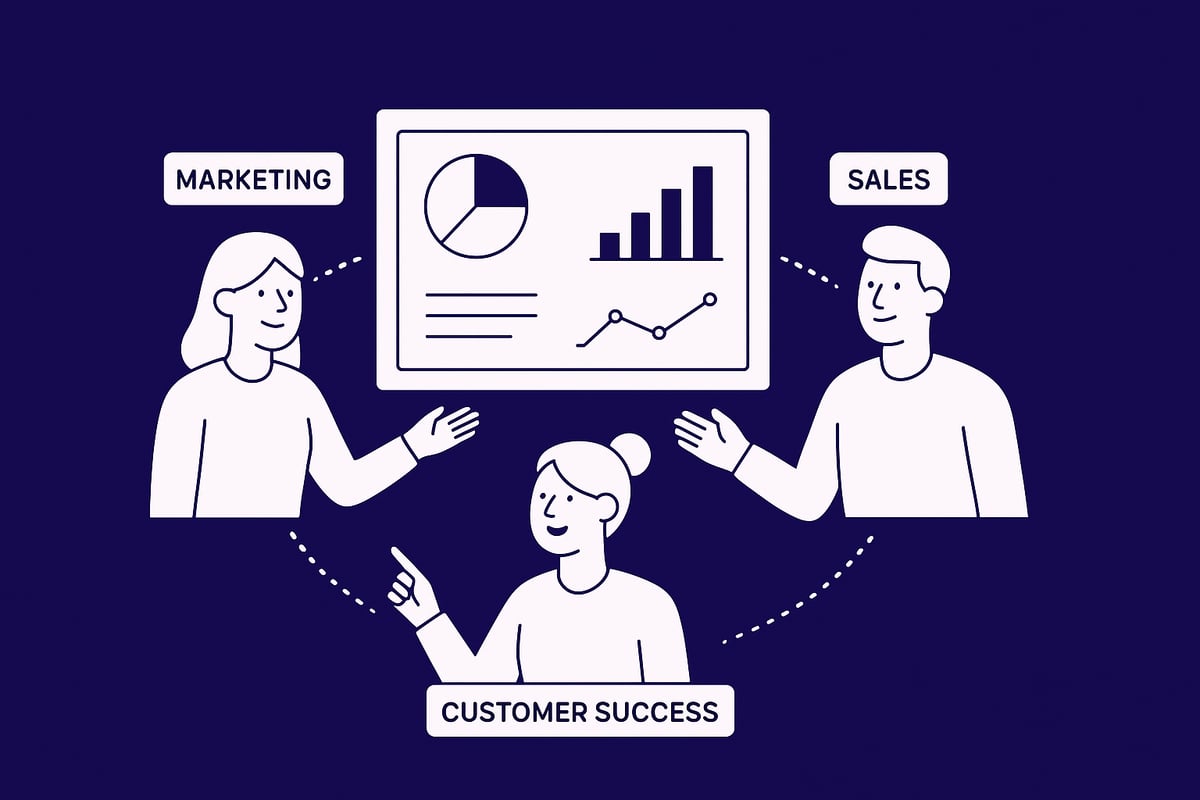
What are the real advantages of an effective sales pipeline, for both SMEs and large enterprises? First and foremost, visibility: you can know at any moment where each deal stands and forecast revenue flows. The sales pipeline helps optimise resources, reducing downtime and accelerating the closing of opportunities. Another crucial aspect is the alignment between marketing and sales teams, which can finally work in genuine synergy. Customer experience also improves: clients perceive a smoother, more personalised process, which increases their satisfaction and the likelihood of long-term loyalty.
Benefits of an effective pipeline for SMEs and large companies
Managing a sales pipeline is not without its challenges. Many companies struggle with incomplete or outdated data, leading to inaccurate assessments and missed opportunities. Another challenge is lead qualification: without clear criteria, time is wasted on low-potential contacts. The absence of automation in follow-up processes slows the sales cycle and increases the risk of overlooking important opportunities. A common mistake seen across many organisations is the confusion between pipeline and funnel, or the manual management of opportunities — often on simple spreadsheets. Addressing these challenges is the first step towards building a truly effective sales pipeline.
The Core Stages of the Sales Pipeline: Structure and Best Practices
Understanding the stages of the sales pipeline is the first step towards increasing close rates and reducing waste. Each stage represents a critical junction: from the first contact through to results analysis. Let us look at how to structure an effective sales pipeline, with practical examples and immediately applicable advice.

Step 1: Lead Generation and Qualification
The sales pipeline begins with lead generation and qualification. A lead is a potential customer who has shown interest in your product or service. But not all leads are equal: a methodology such as BANT (Budget, Authority, Need, Timing) is needed to determine whether it is worth investing time in them.
Segmenting leads by source, industry, or behaviour allows you to assign priorities and personalise messaging. For example, a lead coming from an online campaign should be handled differently from one acquired through a referral.
Without a clear structure, only 27% of leads are qualified correctly. A well-configured sales pipeline reduces this waste and ensures a consistent flow of quality opportunities.
Step 2: First Interaction and Needs Discovery
This stage of the sales pipeline is dedicated to the first contact: a phone call, email, or introductory meeting. Here, trust is built and strategic information is gathered about the prospect's genuine needs.
Open-ended questions, active listening, and handling early objections are all essential. In a B2C context, for example, this often involves moving from an initial meeting to a needs analysis in order to propose the best solution.
The objective is to understand whether and how the client can derive value from your offering, avoiding wasted time on low-potential opportunities.
Step 3: Solution Presentation and Offer Positioning
At this point in the sales pipeline, the focus shifts from theory to practice. The commercial proposal must be personalised: tailored demonstrations, bespoke quotes, and targeted presentations make all the difference.
To stand out from competitors, it is essential to highlight the unique elements of your offering. A real case study can strengthen credibility and facilitate the decision-making process.
In B2B contexts, for example, a well-structured demo accelerates trust and increases the likelihood of advancing through the sales pipeline. Every detail counts in making the proposal memorable.
Step 4: Proposal Submission and Negotiation
This stage of the sales pipeline is critical: the timing of the proposal submission can make all the difference. Using digital tools such as CRM and automated workflows allows you to monitor submitted proposals and respond quickly to requests.
Negotiation techniques, supported by automated follow-ups, help keep the conversation warm and manage objections effectively. Automated pipelines reduce the average closing time by 40%, freeing up valuable resources.
Careful monitoring prevents opportunities from being lost due to a lack of timeliness or ineffective communication.
Step 5: Closing (Won/Lost) and Performance Analysis
The closing of a deal represents the moment of truth in the sales pipeline. Whether won or lost, every opportunity provides valuable data: win rate, average deal value, and conversion time are all key indicators.
After the sale, it is important to initiate follow-up actions and gather feedback. Analysing lost deals helps identify errors to correct and optimise the earlier stages of the sales pipeline.
Only a pipeline that evolves through data can generate continuous improvement and increasingly solid results.
Best practices for structuring pipeline stages
Adapting the sales pipeline to your company's specific sales cycle is essential. Using CRM and dashboard tools allows you to monitor every stage and prevent bottlenecks.
Aligning the definitions of leads and opportunities between marketing and sales reduces misunderstandings and improves the handover of information. For different industries, it is worth customising the stages: what works for an e-commerce business is not always valid for professional services.
To explore how to implement tools and automations to support your sales pipeline, read the guide on CRM for SMEs and data automation. This will help you turn theory into practice and achieve tangible results.
Tools and Technologies to Automate and Optimise the Pipeline
Technology is today the true ally for anyone looking to build a solid, modern sales pipeline ready for the challenges of 2026. Automating repetitive tasks, visualising every opportunity, and integrating data are now essential for those who want to increase close rates and maintain a clear view of commercial performance.
Let us explore the most effective tools and technologies for managing and optimising the sales pipeline, with practical examples and useful advice for SMEs and growing businesses.
The importance of modern CRM in sales pipeline management
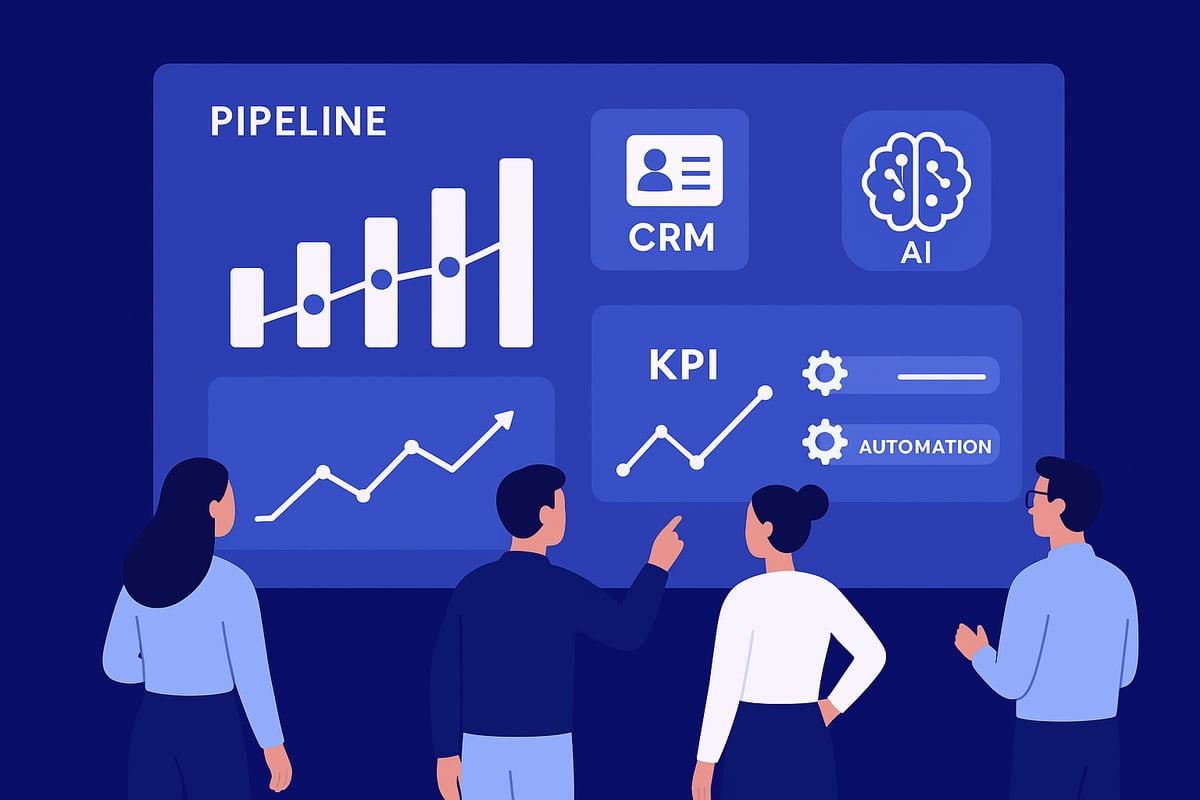
A modern CRM is the beating heart of the sales pipeline. With these tools, every company can track opportunities, monitor deal status, and automate routine activities.
Here are some key features a good CRM offers for the sales pipeline:
- Immediate visualisation of stages and the potential value of each deal
- Centralised management of contacts and communications
- Automation of emails, reminders, and follow-ups
Salesforce, HubSpot, and Pipedrive are among the most widely used CRM platforms for sales pipeline management. Companies that adopt a CRM see an average productivity increase of 29%. Investing in these tools means always having control over opportunities and reducing wasted time.
Integration between CRM, marketing automation, and analytics
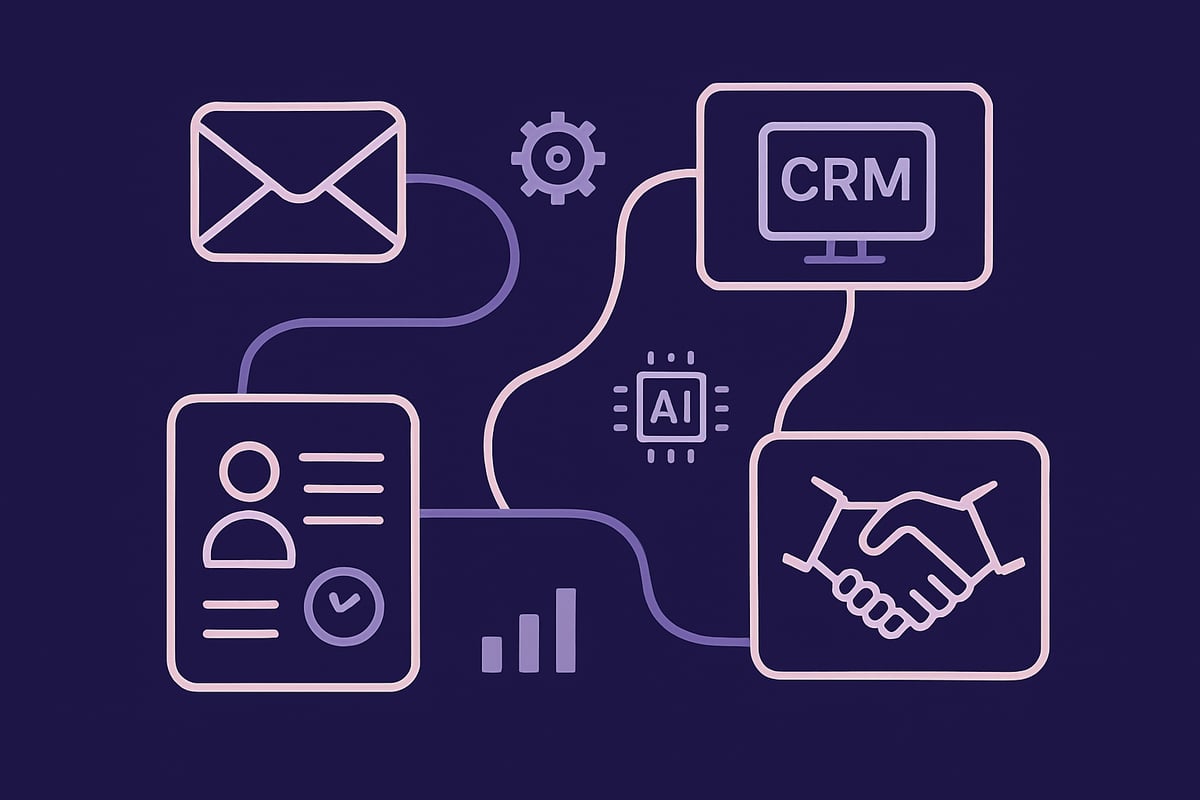
Integrating the CRM with marketing automation and analytics tools enables a truly effective sales pipeline. This synergy makes it possible to track every customer interaction and automatically assign a score to the most promising leads.
For example, a sales pipeline integrated with email campaigns and landing pages allows you to nurture leads in a targeted way and understand which actions generate the most conversions. Real-time tracking facilitates collaboration between marketing and sales.
The data collected forms the basis for detailed analysis and rapid decision-making. A sales pipeline integrated in this way reduces errors and accelerates response times.
Artificial Intelligence and automation in the 2026 pipeline
In 2026, Artificial Intelligence will play an increasingly central role in sales pipeline management. AI algorithms help forecast sales, identify the hottest opportunities, and automate lead nurturing.